Complete Guide to Protecting Plants from Frost
Frost can be one of the biggest threats to a healthy garden, especially during winter and early spring. A sudden drop in temperature can damage leaves, stunt growth, or even kill tender plants overnight. Whether you grow vegetables, herbs, flowers, or fruit plants, understanding how frost affects plants and learning practical protection methods can save your garden from major losses.
This complete guide will help you protect your plants from frost effectively and sustainably.
Table of Contents
What Is Frost and Why Is It Harmful to Plants?
Frost occurs when temperatures fall below freezing (0°C), causing ice crystals to form on plant surfaces. These ice crystals damage plant cells, leading to blackened leaves, wilted growth, and reduced yields. Young seedlings, flowering plants, and tropical or warm-season crops are especially vulnerable.
There are two common types of frost:




- Light frost: Slight freezing that damages tender leaves.
- Hard frost: Prolonged freezing that can kill entire plants, including roots.
Knowing when frost is expected allows gardeners to take preventive steps in time.
Plants Most at Risk from Frost
Some plants are naturally more sensitive to cold temperatures. These include:
- Tomatoes, peppers, eggplant, and cucumbers
- Basil, coriander, parsley, and other soft herbs
- Flowering annuals like petunias and marigolds
- Young seedlings and newly transplanted plants
Hardy plants such as kale, cabbage, peas, and spinach can tolerate light frost but may still need protection during severe cold spells.
Also Read: How to Grow Your Own Organic Parsley: A Complete Beginner’s Guide
Best Ways to Protect Plants from Frost

1. Cover Plants Properly
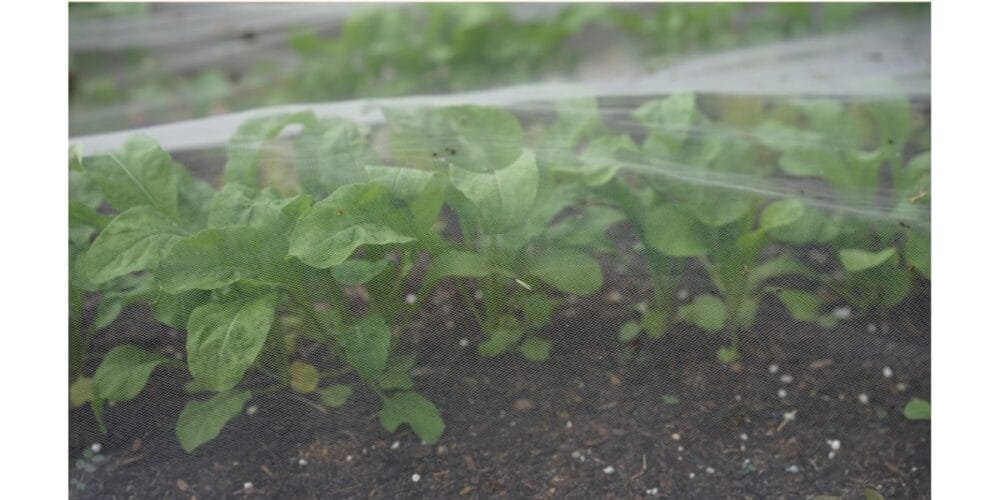
Covering plants is one of the easiest and most effective frost-protection methods. Use:
- Garden fabric or frost cloth
- Old bedsheets or blankets
- Burlap or newspapers
Ensure the cover reaches the ground to trap warmth from the soil. Remove covers during the day to allow sunlight and airflow.
2. Use Mulch to Insulate Roots
Mulching helps regulate soil temperature and protects plant roots from freezing. Organic mulches like straw, dry leaves, compost, or wood chips create a natural insulating layer. Apply mulch generously around the base of plants before frost sets in.
3. Water Plants Before Frost
Moist soil holds heat better than dry soil. Watering your garden a day before frost helps the soil retain warmth and slowly release it overnight, protecting roots and lower plant parts. Avoid watering leaves during freezing temperatures to prevent ice damage.
4. Move Container Plants Indoors
Potted plants are more vulnerable because their roots are exposed to cold air. Move containers indoors, into a greenhouse, or close to a wall that absorbs heat during the day. If moving isn’t possible, group pots together and wrap them with insulating material.
5. Use Low Tunnels or Cold Frames
Low tunnels and cold frames create a mini greenhouse effect, trapping heat and shielding plants from cold winds. These structures are especially useful for winter vegetables and seedlings. Even simple hoops covered with plastic or fabric can make a big difference.
6. Add Wind Protection
Cold winds can worsen frost damage by rapidly lowering plant temperature. Use garden fencing, shade nets, or temporary barriers to reduce wind exposure. Position plants near walls, hedges, or fences for added protection.
7. Harvest Before Frost
If frost is unavoidable, harvest mature vegetables and herbs beforehand. Crops like lettuce, spinach, coriander, and parsley can be harvested early and stored, preventing total loss.
Also Read: Cauliflower Cultivation: A Complete Guide for Successful Farming
Organic and Sustainable Frost Protection Tips
- Use compost-rich soil to improve heat retention
- Avoid excessive nitrogen fertilization before winter, as tender growth is more frost-sensitive
- Choose cold-tolerant varieties for winter planting
- Practice crop rotation and healthy soil management
Organic methods not only protect plants but also improve long-term garden resilience.
Common Mistakes to Avoid
- Using plastic directly on plants without support, which can cause freezing damage
- Forgetting to remove covers during daytime
- Ignoring frost warnings until it’s too late
- Overwatering during freezing conditions
Being proactive is key to effective frost protection.
Benefits of Protecting Plants from Frost
- Prevents crop loss and yield reduction
- Extends the growing season
- Protects soil health and root systems
- Saves money on replanting
- Ensures healthier, stronger plants in spring
A little preparation can go a long way in maintaining a productive garden.
Also Read: The Best Types of Basil to Grow in an Herb Garden
Final Thoughts
Frost doesn’t have to spell disaster for your garden. With proper planning and simple techniques like covering plants, mulching, watering wisely, and using protective structures, you can safeguard your plants from cold damage. Understanding your local climate, monitoring weather forecasts, and acting early are the most important steps. By following this complete guide to protecting plants from frost, you can keep your garden thriving even during the coldest months and enjoy healthy growth when warmer weather returns.
Protect today, and your plants will reward you tomorrow.
Also Read: About the Complete Guide to Protecting Plants from Frost on gardenary.com Site